Every booking that comes from a portal brings a commission with it. For a hotel, campsite, holiday village, B&B or holiday home, that means giving away a significant share of revenue every year. OTAs remain a valuable channel for getting discovered, but relying on them alone means giving up margin, data and the relationship with your guests. In this guide we look at how to increase direct bookings step by step, without losing the visibility the portals provide.
Why direct bookings make a difference
- Higher margins: no commission to pay the portal on each booking.
- Guest data: real email addresses and phone numbers, useful (with consent) for communicating before, during and after the stay.
- A direct relationship: guests who book with you are more likely to return and recommend you.
- More control: you set cancellations, payments and extra services.
OTAs and the direct channel: allies, not enemies
The goal is not to abandon Booking.com, Airbnb or the other portals. Many travellers discover a property on an OTA and then search for it on Google to learn more: this is known as the billboard effect. If at that moment they find a clear website with up-to-date availability and simple booking, some of them will book directly.
The key is balance: use the portals to get known and the direct channel to retain value.
1. A website that actually converts
Your website is the foundation of everything. Having one is not enough: it has to turn visits into bookings.
- Designed for smartphones: most travel searches start on mobile.
- Fast: slow pages lose guests before they even see your rooms or pitches.
- Quality photos and honest descriptions: spaces, services, distances, house rules.
- A "Book now" button always visible, on every page.
- Practical information: how to get there, check-in times, parking, pets, FAQs.
2. An integrated, easy-to-use booking engine
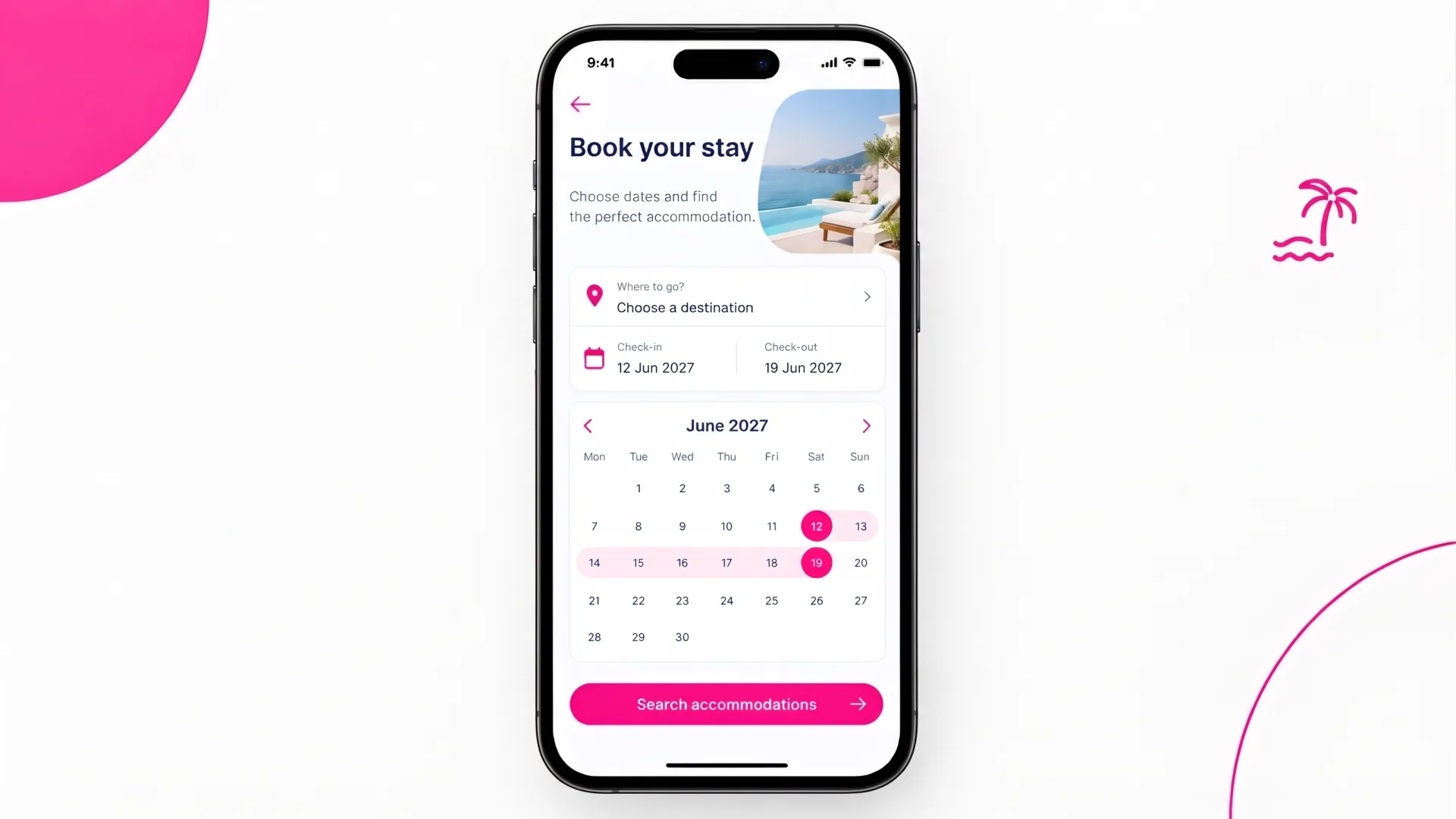
A booking engine lets guests choose their dates, see the price and confirm in a few steps. Here is what it needs:
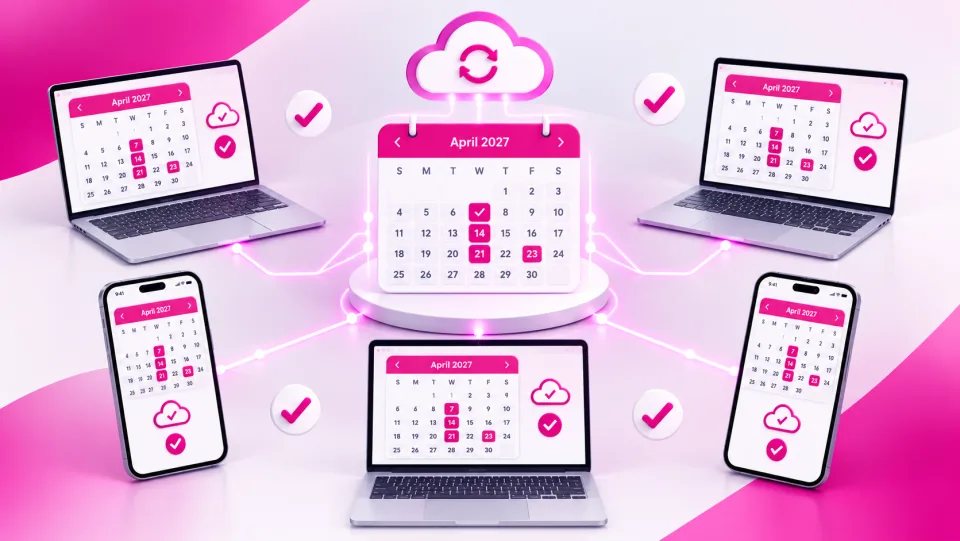
- Real-time availability, synchronised with the OTAs through a channel manager to avoid overbooking.
- Few steps from choosing dates to payment.
- Secure online payments, with a deposit or full payment according to your policies.
- Bookable extras: breakfast, final cleaning, linen, transfers, late check-out.
- Multiple languages, if you host international guests.
3. Give guests a reason to book with you
If guests find exactly the same conditions on your website as on the portal, they will often choose the platform they already know. You need a concrete advantage:
- breakfast or a welcome kit included;
- early check-in or late check-out, when available;
- more flexible cancellation policies;
- a discount for returning guests or long stays;
- free parking, bike rental or on-site services.
Good to know: in Italy, the law prevents OTAs from imposing rate parity on a property's own website, and several other European countries have similar rules. Before changing prices and conditions, always check your contract and any programmes you have joined on the portals.
4. Get found on Google
- A complete Google Business Profile: photos, services, opening hours, links to your website and booking engine.
- Reviews: ask satisfied guests for them and always reply, including to negative ones.
- Prices and availability connected to Google, so your website appears next to the portals when someone searches for your property.
- Useful content on your website: local guides, recurring events, practical tips. They help SEO and answer travellers' questions.
5. Turn OTA guests into future direct customers
Someone who books through a portal today can book with you next time. The secret is the quality of the experience and of your communication:
- Digital check-in: it simplifies arrival and collects data in an orderly way, including for mandatory guest reporting to the authorities.
- Automated messages before and during the stay, with useful information.
- A post-stay email (with the guest's consent) to say thank you and invite them back to book on your website.
Important: OTAs do not allow you to push guests to cancel an existing booking and rebook directly. Focus on their next stay, not the current booking.
6. Get found by AI assistants too
More and more people ask AI assistants for travel advice, and these tools draw on clear, reliable sources. A website with complete, up-to-date and well-structured information (services, location, rules, frequently asked questions) is more likely to be cited and recommended.
7. Measure your results
Without numbers you cannot tell what works. Keep an eye on at least these indicators:
| Indicator | What it tells you |
|---|---|
| Share of direct bookings | How much the direct channel weighs on the total |
| Acquisition cost per channel | OTA commissions compared with the costs of your website, advertising and tools |
| Website conversion rate | How many visits turn into bookings |
| Returning guests | How many come back and through which channel they book |
Quick checklist
- Fast, clear, mobile-optimised website
- Booking engine connected to the channel manager
- At least one exclusive benefit for direct bookers
- Complete Google profile and well-managed reviews
- Digital check-in and automated communication
- Post-stay email inviting guests to return
- Indicators monitored regularly
Want more direct bookings with less manual work?
With ForGuest you get a website, a booking engine connected to a channel manager covering 50+ OTAs, digital check-in and automated communication with guests and authorities, all in one platform.
Frequently asked questions.
Should I drop OTAs and focus only on direct bookings?
No. OTAs bring visibility and new guests. The best strategy is to use them to get known and grow your share of direct bookings over time.
Can I offer better conditions on my website than on the portals?
In Italy, OTAs cannot impose rate parity on a property's own website. Always check your contract and any programmes you have joined, as they may include specific conditions.
Do I really need a website to receive direct bookings?
Phone, email and social media help, but a website with a booking engine lets guests book at any time, without waiting, with always up-to-date availability and prices.
How long does it take to see results?
It depends on the property, the market and the starting point. The first improvements usually arrive within a few months, while more solid growth is built season after season, with guests who come back.